Category Archives: In the Archive

Thank you and farewell to Sidney!

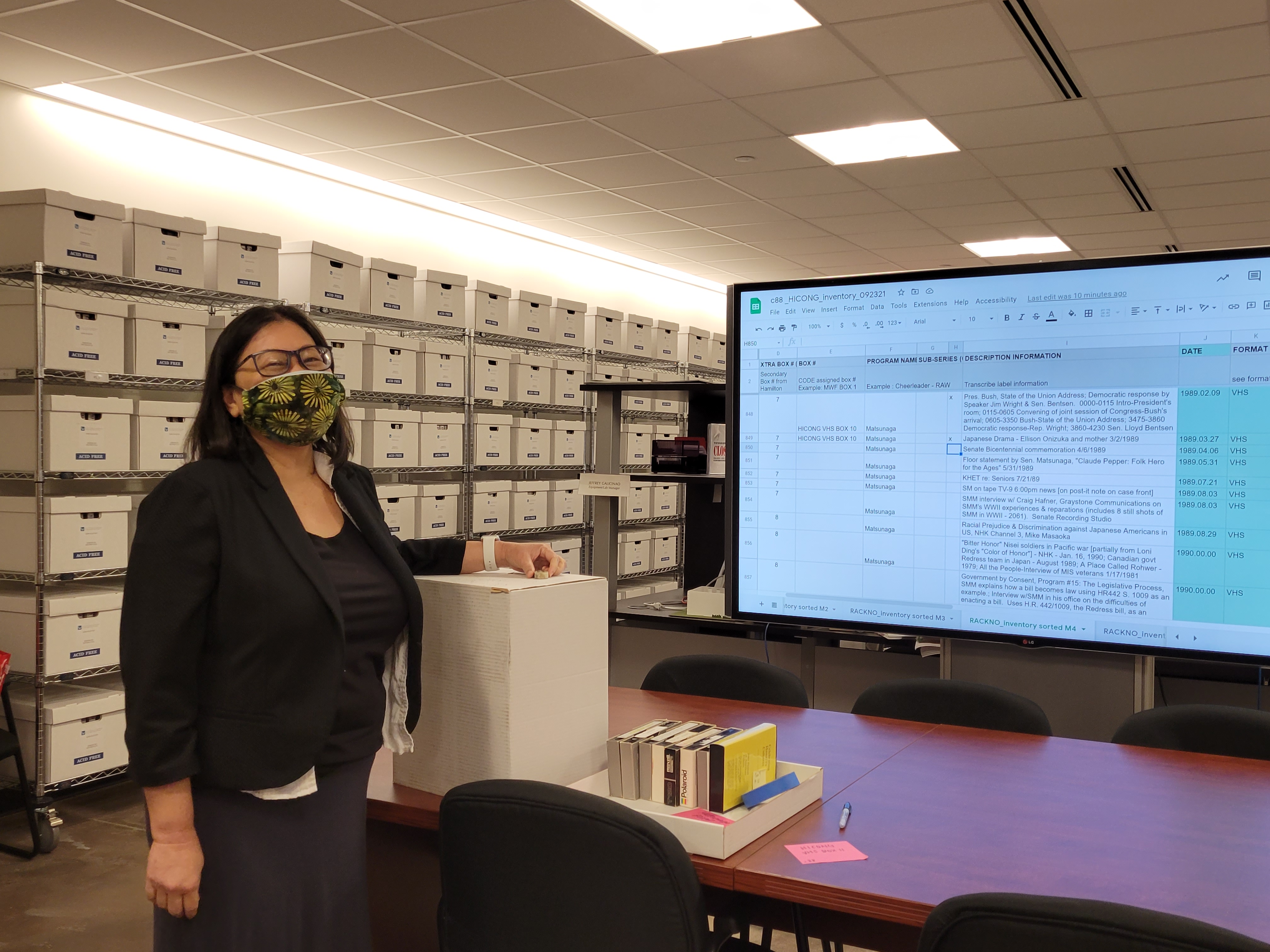
Sidney hard at work even on her last day.

ʻUluʻulu is saying goodbye to our project assistant, Sidney Louie. After three years and graduating from the University of Hawaiʻi at Mānoa with her masters degree in Library and Information Science she will be moving to the Honolulu Museum of Art as their archivist. We asked Sidney to do a quick interview with us before she headed out on her last day.


How did you learn about ‘Ulu‘ulu and why did you decide to work here?

When I left my longtime job in media, I thought about my next career steps. I listed the things that made me happy, and on top of that list were film and libraries.  I heard about ‘Ulu‘ulu Moving Image Archive among my peers in the media industry, but I did not fathom the scope and depth of the collections. My first visit to the archive was in Spring 2018, where I met up with Heather, Janel, Robbie, and Koa. Heather showed me the collection vault, which pretty much won me over. Janel told me that she was teaching a moving image archive course at the University of Hawaiʻi at Mānoa (UHM) that fall semester. Soon afterwards, I enrolled in the Library and Information Science program at UHM, jumped on the archives track, and took Janel’s excellent class. A year later, the OHA project assistant job opened, and I bolted on the opportunity to work here. 

Could you share a little about the work you did at ‘Ulu’ulu?

I worked on a digitization project supported by the Office of Hawaiian Affairs (OHA) in partnership with OHA’s Papakilo Database. The digital content consists of television programs that focus on Hawaiian history, arts, and culture: “The Best of Treasures,” “Holo Mai Pele,” “Legacy of Light,” “Merrie Monarch Festival,” and “Pau Hana Years.” We accessioned, digitized, described, and made accessible 521 video tapes containing 224 hours of audiovisual recordings. I also worked on a few other side projects: helped Hōkū process incoming collections, wrote grants with Janel, and formatted transcripts for closed captioning. 

Was there anything about the videos you worked with that was surprising or unexpected?

I appreciate seeing the raw footage of two or more cameras on a particular scene. You can view quite a few of them in “Holo Mai Pele” from the Pacific Islanders in Communications collection. I enjoy seeing different angles and vantage points of the same scene. It helps me think about looking at an object with a different perspective.

You’ve recently graduated from the Library and Information Sciences program at UH Mānoa, where are you headed now and what will you be doing there?

I will be working as the archivist at the Honolulu Museum of Art, processing and preserving HoMAʻs institutional memory that includes not only the historic building on Beretania Street, but also the Spalding House (formerly The Contemporary Museum) and the Linekona Arts Center. I will also be involved with records management and reference and research services.

Now that you have worked as a Moving Image Archivist, what is your favorite archival media format and why?

Before, now, and forever is film. I was fascinated with 8mm and Super 8 film when I was young. I would watch the 8mm film reels in one of those small projectors in a carrel at the public library. I remember the 16mm films that we watched in elementary school. I also loved 35mm back when I worked at the Hawaiʻi International Film Festival when we hauled those heavy film cans. 

Tell us a little about what it was like for the last couple of years working for an AV archive through the pandemic?

I worked from home for about 14 months. Although I prefer working at the archive, I do like watching hours of video footage from home on my comfy reading chair or couch. I also tend do my best writing from home. However, I like to think about different ways of approaching a topic, and I enjoy listening to various points of view from my co-workers, especially when I hit an obstacle. I definitely will miss the camaraderie I have developed with my ʻUluʻulu colleagues. 

Do you have any recommendations for movies or TV shows that feature libraries, archives, or archival footage?

I was fascinated by Peter Jackson’s “They Shall Not Grow Old,” seeing how much his technical team worked on not only restoring the archival film footage, but also transforming it through adjustments of speed and light. It’s interesting to see an auteur’s handling of archival footage, which is vastly different from documentary filmmakers who use archival footage to present, argue, or support their own thesis or perspective. Most recently, I am enamored with Questlove’s “Summer of Soul” about the 1969 Harlem Cultural Festival. The music and performances in the archival concert footage, shot by TV producer Hal Tulchin, are uplifting, toe-tapping, and delightful. It is a treasure trove of talent.


Thank you, Sidney, for your wonderful work and friendship. We wish you the best in your next chapter!

Highlighting the Pau Hana Years

by ʻUluʻulu Project Assistant, Sidney Louie


ʻUluʻulu has recently completed digitizing the broadcast videotapes of Pau Hana Years, the popular Hawaiʻi Public Television series produced by the Hawaiʻi State Department of Education and the Hawaiʻi Public Broadcasting Authority. Branded as the television show “for and by the senior citizens of Hawaiʻi,” the series, hosted and produced by Bob Barker and later Charlotte Simmons, aired on KHET-TV for 16 years beginning in 1966 through its final episode in August 1982. Celebrating the older population of individuals and in groups and communities, the program profiled kupuna who told their life stories, showcased their talents, engaged in lively activities, and shared their cultural knowledge. 

Nearly 200 episodes are now available online. Shot on location across several islands, these episodes cover a wide range of special interests, such as baking Portuguese bread in a traditional brick oven at Makawao, Maui; planting kalo in Keʻanae, Maui and Wainiha, Kauaʻi; cattle ranching in Waimea, Hawaiʻi; celebrating the Molokaʻi homestead with a hoʻolauleʻa at Kalamaʻula; and participating in a hukilau at Kualoa, Oʻahu. The studio interviews are  just as lively. Some memorable episodes include Hawaiian music performances by legends Alice Namakelua, Charles K.L. Davis, and Ray Kinney, Hawaiian quilt displays by Deborah Kakalia, and a slightly boozy cooking demonstration by Chef Titus Chan and special guest Julia Child. Most importantly, the program captures the lives of a generation born at the turn of the 20th century under political and economic challenges. The series recorded their stories of personal struggles and achievements, preserving them for the next generation of viewers.

Recently we interviewed producer Joy Chong-Stannard about her days working on set of Pau Hana Years

When did you work on Pau Hana Years, and what was your role there?

Joy: My work with Pau Hana Years began in the early 1980s and lasted for about two years. This was at the tail end of the show. I was just beginning my career as a producer/director/editor and worked with longtime producer Charlotte Simmons. She had previously worked with Bob Barker, the show’s original host and producer of the program. After he retired, Nino Martin, the Executive Producer for the Culture & Arts Division at Hawaiʻi Public Television, took over the reins of the program, and he selected a new host, big band leader Del Courtney. 

How and why did you consider the series ground breaking?

Joy: Pau Hana Years was a groundbreaking production for its focus on Hawaiʻi’s multicultural community of senior citizens. It gave them a platform to express their concerns as well as to celebrate their contributions to our island home.  Many of the people featured are now considered cultural legends in our state, and we are fortunate to have captured some of their talents and stories on videotape and film.    

How has Pau Hana Years helped you grow as a producer/director? 

Joy: Working on Pau Hana Years provided me a unique opportunity to build my skill set as a filmmaker and television director. Before I started on the project, the series was shot on 16mm film. Portable video cameras were just coming into play in the late 1970s, and we were able to shoot a lot more footage on a lower budget. I was able to work with this new technology that made access to editing much easier. And, of course, it allowed for shooting multiple takes if needed. We also taped many segments in the studio, including musical numbers that required innovative sets and lighting on a very limited budget. We also used multiple cameras to capture the performers. 

(L-R) Larry Sichter, Joy Chong, Charles Peck, Charlotte Simmons, Nino J. Martin.

What were some memorable moments working on the show? 

Joy: During my time with the program, I was able to meet with many of the older generation living on the neighbor islands as well as some musical legends like Del Courtney who, for many years, performed at the Monarch Room at the Royal Hawaiian Hotel. My first documentary that I directed and edited featured a farewell to the iconic old Halekulani Hotel before it was renovated into a luxury resort in the mid-1980s by its new owners from Japan. Capturing the memories of the older generation who used to patronize the House Without A Key restaurant at the hotel and from the many local musicians who performed there gave me a unique insight to that time and place that was Waikiki before the tourist boom that we are witnessing today. 

I find it somewhat ironic that, with the baby boomer generation nearing retirement, and the increasing population of older people in our state’s demographics, we don’t have more programs devoted to the older generation. Pau Hana Years was surely ahead of its time.

You can view video clips of Pau Hana Years here. To request specific episodes, please contact ʻUluʻulu Moving Image Archive. The Pau Hana Years digitization project was generously supported by the Office of Hawaiian Affairs.

Invasive Species Awareness Month

February is Invasive Species Awareness Month here in Hawai’i, but the importance of value of the topic warrants discussion and learning all year long. Invasive species can take the form of plants or animals and could be big or small. Many of us are familiar with invasive species like cane toads and rats, but did you know that species like strawberry guava and ants fall into that category, too?

This is the perfect time to learn more about the difference between endemic, indigenous and introduced species and what makes something invasive. Something as simple as a beloved house plant can end up becoming a problem if left unchecked. Since the time that many of the recordings in our collection were created invasive species threats have grown. Now, we have Little Fire Ants and the Coconut Rhinoceros Beetle, as well as invasive seaweeds and reef fish. Read more about Hawaiʻi Invasive Species Month, here, and challenge yourself to be more aware and learn about what you can do to protect Hawaiʻi’s unique natural environment.

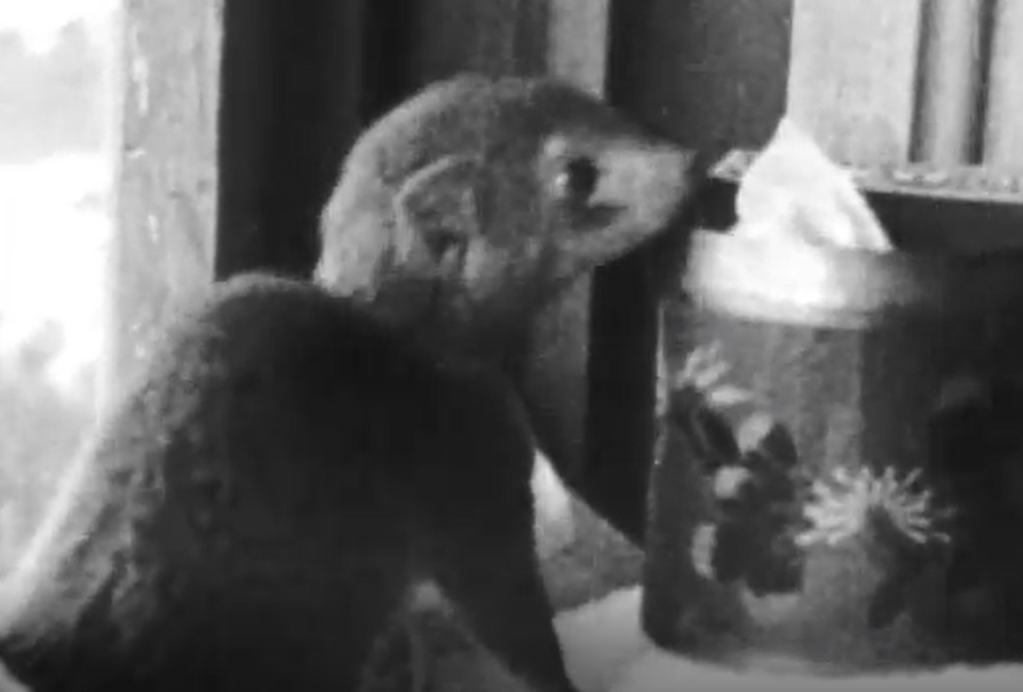
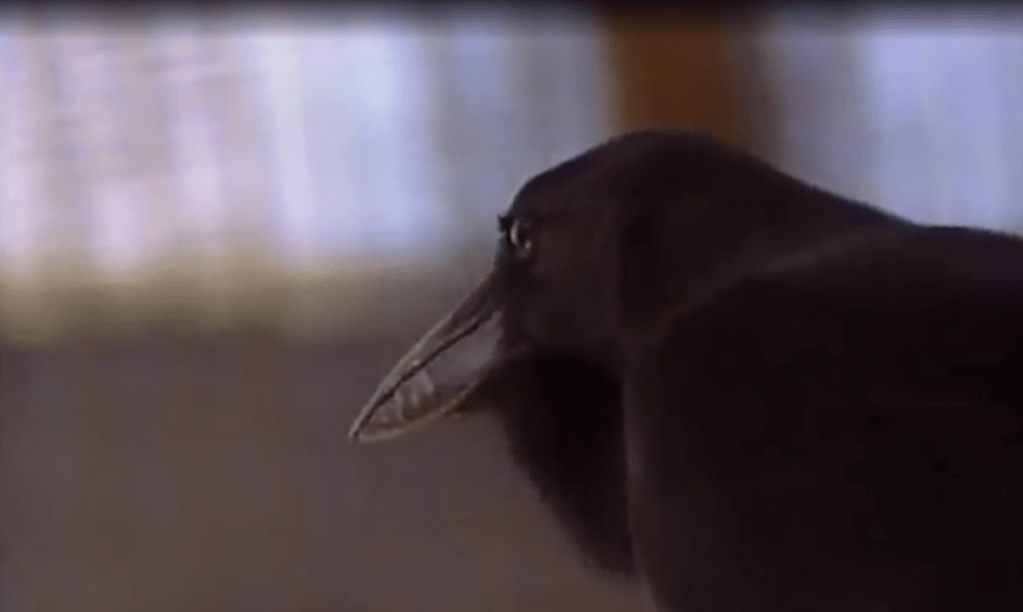
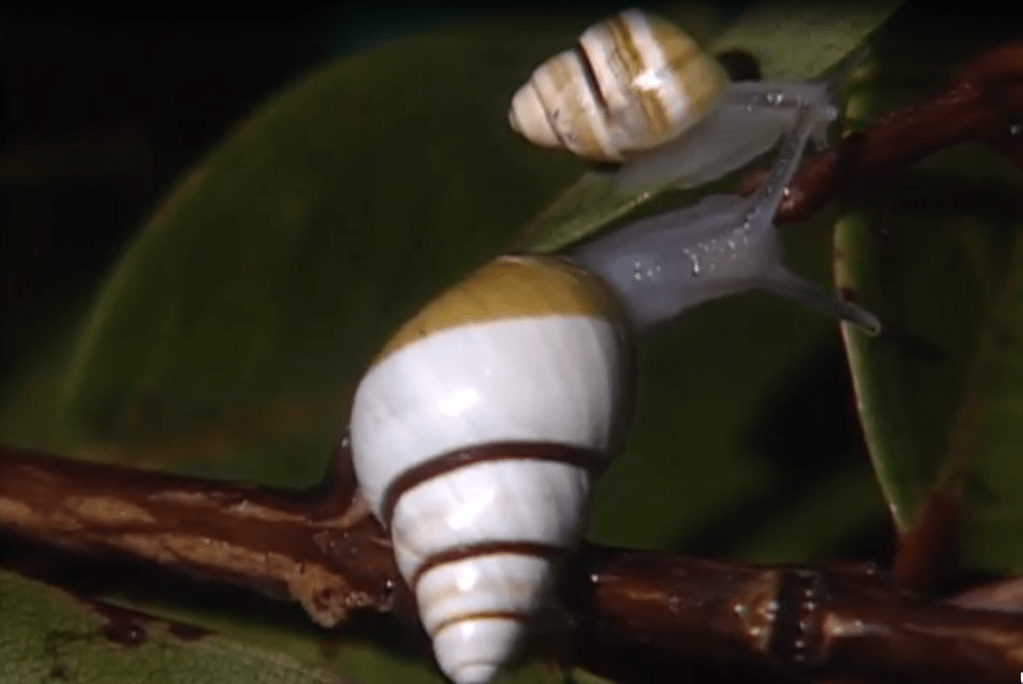
In the spirit of boosting the message, we’ve assembled some clips and resources below that show or discuss introduced, invasive and native species and what work has been taking place to help protect Hawaiʻi’s native flora and fauna.

Non-Native and Introduced Species

Click on the images below to watch the clips.

Native Species

Click on the images below to view the clips.

Local informational websites for further exploration:

Hawaiʻi Invasive Species Council – https://dlnr.hawaii.gov/hisc/

Each major island has its own Invasive Species Committees:

The Hawaiʻi Little Fire Ant Awareness Website – www.stoptheant.org

Rapid ʻŌhiʻa Death – https://cms.ctahr.hawaii.edu/rod/

Coordinating Group on Alien Pest Species – https://www.cgaps.org/

Hawaii Coconut Rhinoceros Beetle Response – https://www.crbhawaii.org/

Women’s History Month

March is Women’s History Month and we decided to reflect on the resources in our archive that demonstrate and acknowledge the strength of women in Hawaii’s history. This selection of videos highlights the contributions of women and their engagement in changing the understanding of where women are situated within the social and political landscape of Hawaii.

Working_in_Hawaii

Hanapbuhay Filipina: Looking for Work in Hawaii

Description: A look at Filipino immigrant women and their problems with finding suitable employment in Hawaiʻi.

Hannah_Springer_Interview

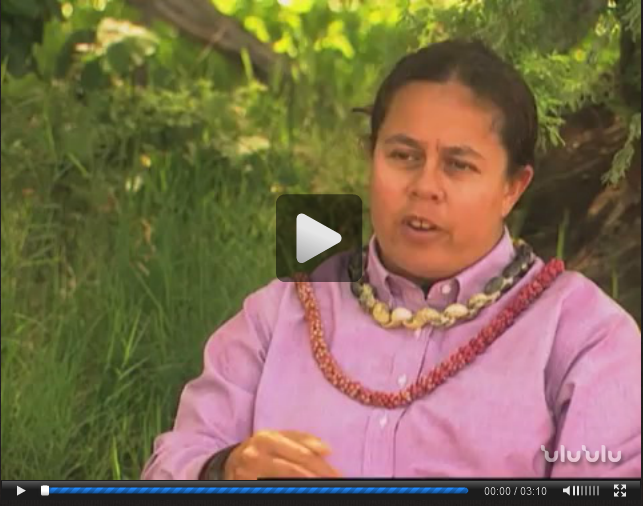
Hannah Springer Interview May 30, 1995

Description: Hannah Springer interview May 30, 1995. Hannah discusses topics such as women in Hawaiian leadership roles, subsistence living, origin of Hawaiian pig hunting, transmission of Hawaiian knowledge, and tradition.

First_Friday_Native_Women_Poets

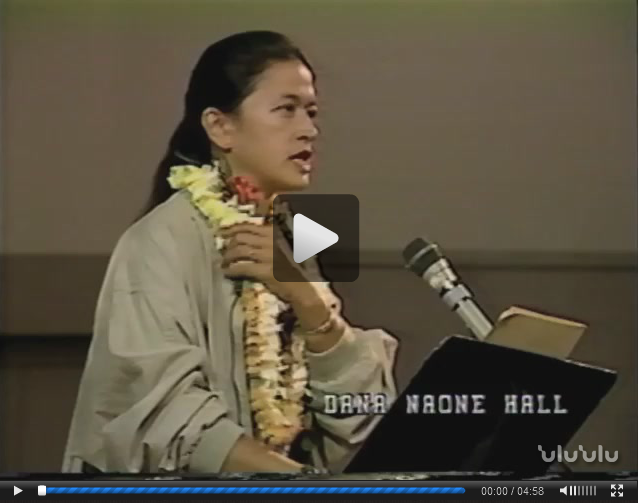
First Friday: The Unauthorized News: Native Women Poets (July 1991)

Description: Poetry Readings by Native Hawaiian Women Dana Naone Hall and Haunani-Kay Trask and Native American Woman Joy Harjo. The reading was presented on June 6, 1991.

Her_Majesty

Her Majesty: Lili’ukalani

Description: Documentary about Queen Liliʻuokalani and her life; before and after the overthrow. Features interviews with people who knew her intimately including Aunty Alice Namakelua.

View our web theme on WOMEN’S HISTORY MONTH for more archival footage!

Ask An Archivist Day


To kick off American Archives Month, on October 1st, ‘Ulu‘ulu will join archivists around the country and take to Twitter to respond to questions tweeted with the hashtag #AskAnArchivist. Take this opportunity to ask any questions you might have about ‘Ulu‘ulu’s collections, about archives or about the archivist profession in general! All you need to do is tweet your question with the hashtag on (or before) Thursday, Oct. 1. If your question is specifically intended for us, be sure to tag us @uluuluarchive so we won’t miss it.

Not sure what to ask? Here are a few questions we frequently get:

  • What does an archivist do?
  • How do you decide which videos to digitize?
  • What is the oldest film in your collection?
  • What’s your favorite video in your collection?
  • What’s your favorite Bruddah Iz song?
  • Which local restaurant makes the best mac salad?

Okay okay so I may have just made up the last two to make sure you’re paying attention. But hey, the point is ask anything you might be curious about. We look forward to seeing and answering your questions! We’ll do our best to get to each of them in a timely manner.

New Art at ‘Ulu‘ulu

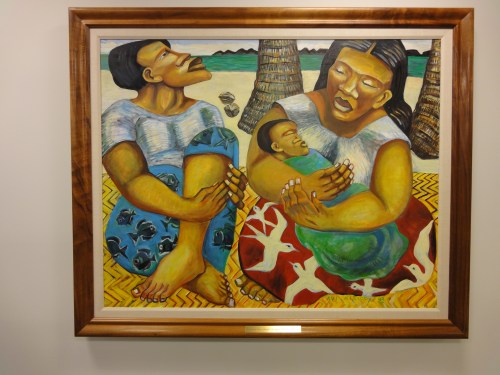
We’ve added an original painting by Avi Kiriaty to our archives space. The painting, entitled “ohana”, was dedicated to the memory of Henry Ku‘ualoha Giugni – ‘Ulu‘ulu’s namesake and a dear friend of Senator Daniel K. Inouye. This very same painting used to hang in Senator Inouye’s Honolulu office and is currently on loan to ‘Ulu‘ulu from the Daniel K. Inouye Institute.

Original painting by Avi Kiriaty entitled "ohana".

Original painting by Avi Kiriaty entitled “ohana”.


Upon loaning the painting to the archive, Mrs. Irene Hirano Inouye wrote:

“The story of Dan Inouye is the story of modern Hawaii and the story of the promise of America… I am pleased to loan the ‘Ulu‘ulu: The Henry Ku‘ualoha Giugni Moving Image Archive of Hawaii the painting by Avi Kiriaty entitled “The Family (Ohana)”. As appropriate, I hope you will display it proudly and fondly in Dan’s memory. His life’s work can be captured in two simple words – freedom and fairness. Through this loan, I hope his legacy of leadership and an unwavering hope for the future will be carried forward.”

We mahalo Mrs. Irene Hirano Inouye and the Daniel K. Inouye Institute for sharing this beautiful painting with us! We also welcome you all to come visit us to view the painting (and our collections!).